Regional police have halted forestry work being carried out by Rojales council at Cabezo del Molino to examine its possible impact on the area’s archaeological and ethnological heritage.
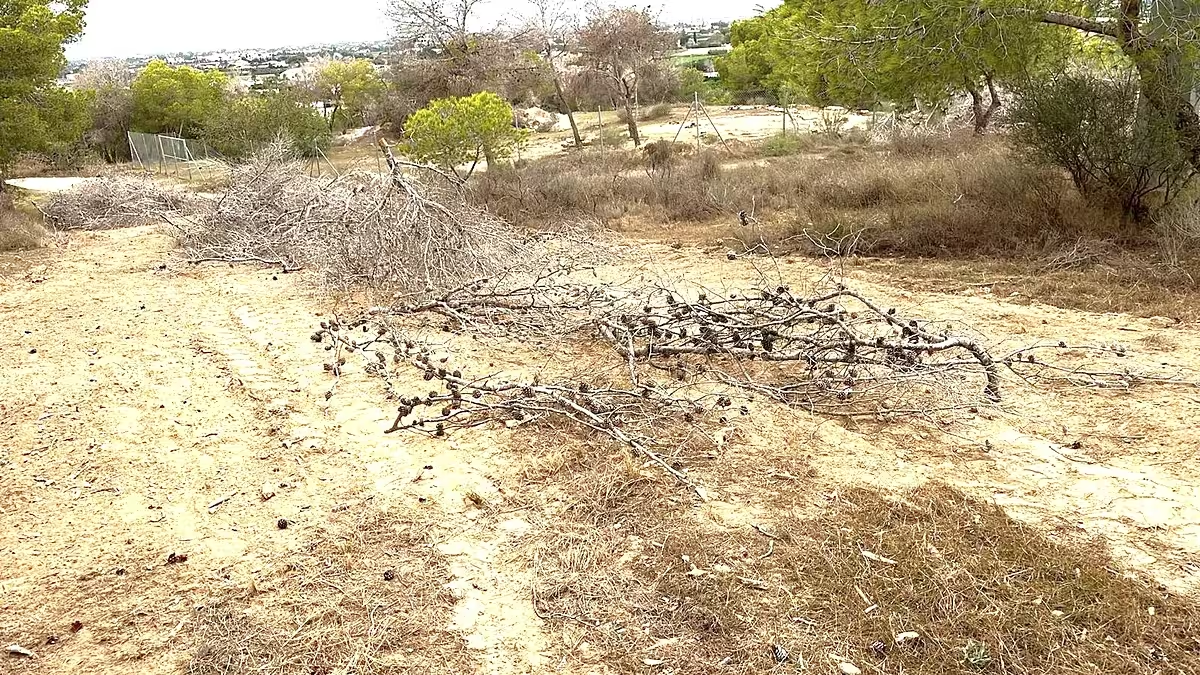
The Historical Heritage unit intervened at the beginning of this week because the work, which involved removing dead pine trees affected by pests, lacked authorisation from the regional Culture department.
The investigation remains open and the initial inspection had found no damage to the archaeological site; checks also cover other historical features in the surrounding area.
Pine trees removed beside burial pits
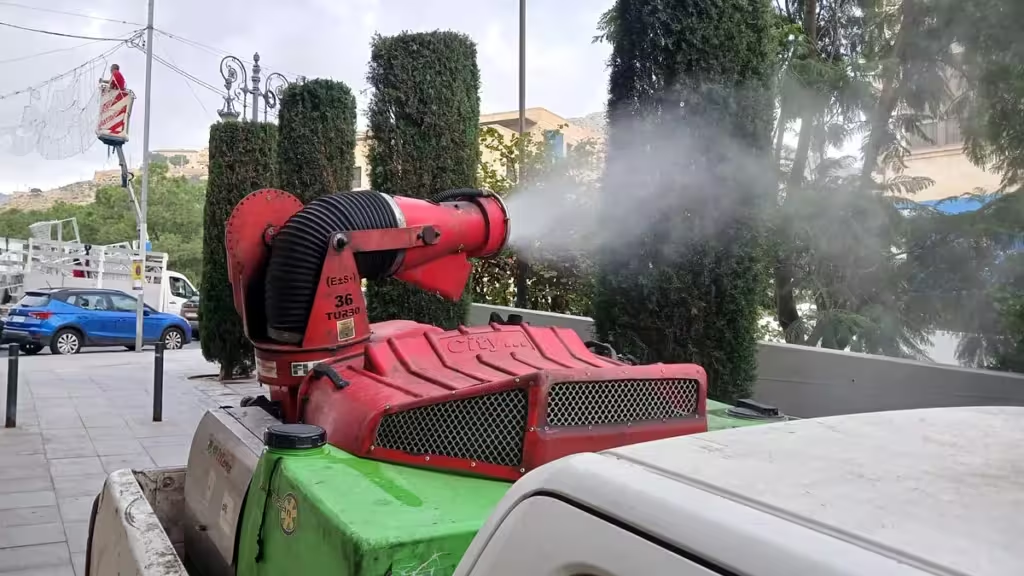
Officers found municipal Parks and Gardens staff carrying out forestry operations with heavy machinery at several points on the hill.
Within the fenced archaeological area, dead trees standing between burial pits had been removed, and operations were stopped as the removal of deep roots in the burial areas was about to begin.
The site contains remains from several periods, including two burial grounds and a basilica dating from the fifth and sixth centuries AD, alongside Iberian remains from the fourth and third centuries BC and Andalusi remains from the eighth and ninth centuries.
The site’s full extent has not yet been definitively established, an important consideration for any work taking place around it.
Checks on water channels and rock carvings
Elsewhere on Cabezo del Molino, west of the nature education centre, damage has been reported to part of the open-air channels cut into the rock at the Gasparito water cisterns.
Documents and photographs of a group of petroglyphs near the windmill are also being reviewed to establish whether the passage of machinery has affected any of its rock-carving locations.
That possible impact on the petroglyphs therefore remains under examination, whereas the first inspection of the archaeological site had not identified damage there.
The archaeological site and the cisterns’ channels are listed and protected under Rojales’ General Urban Development Plan.
Officers are preparing a report for the Culture department, and the municipal operation has also been reported to Seprona, the Guardia Civil’s nature protection service; the checks must establish the extent of what happened in the different parts of the area.
Your city, in your inbox.
Useful news and plans for Torrevieja and the surrounding area. Mondays at 08:00 and Thursdays at 18:00 (Europe/Madrid): two emails a week. In English, free and without the noise.
Your choice. Confirm your email and unsubscribe at any time.